
Low-level laser therapy helps reduce pain, promotes healing
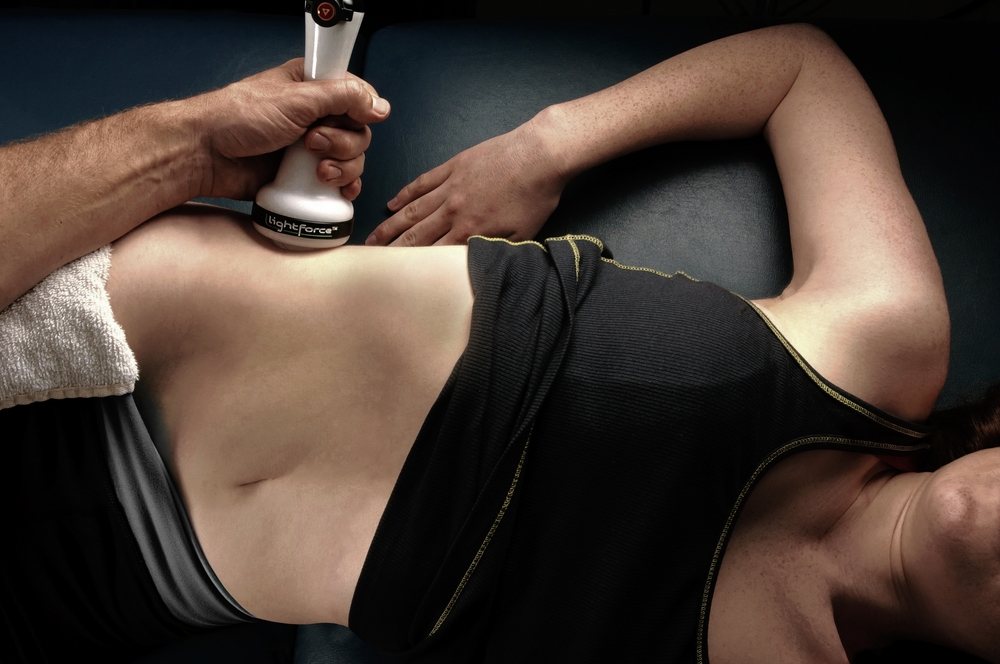
Low-level laser therapy uses specific wavelengths of light and may be considered as part of an individualized care plan for selected musculoskeletal conditions. Evidence, suitability, and expected outcomes vary by diagnosis.
What Is Low-Level Laser Therapy?
Low-level laser therapy, sometimes called photobiomodulation or cold laser therapy, applies light energy without producing the heat used in surgical lasers. A qualified clinician should evaluate the condition, health history, and treatment goals before recommending care.
What Conditions May Be Considered?
Laser therapy may be considered for selected pain or soft-tissue complaints. It is not appropriate for every patient or condition, and it should not delay medical evaluation of severe, unexplained, or worsening symptoms.
What to Expect
A clinician positions the device over the treatment area for a set period. Treatment plans vary, and patients should receive a clear explanation of potential benefits, limitations, alternatives, and expected course of care.
Related Care at Delaware Integrative Healthcare
Learn about laser therapy at Delaware Integrative Healthcare, read about cold laser therapy and chiropractic care, and explore our Delaware locations.
This article is for educational purposes and is not a diagnosis or a substitute for individualized medical advice.
Additional Evidence-Based Resource
For additional evidence-based information, review NCCIH: Chronic Pain.
How Photobiomodulation Is Thought to Work
Photobiomodulation exposes tissue to selected wavelengths of red or near-infrared light. Laboratory research suggests that absorbed light may influence cellular signaling, circulation, and inflammatory processes. Translating those mechanisms into predictable patient outcomes is complicated, however. Results depend on the diagnosis, wavelength, power, dose, treatment area, and timing. A device being called a “laser” does not by itself establish that it is effective for a particular condition.
Conditions Commonly Discussed With Laser Therapy
Clinicians may consider low-level laser therapy for certain muscle, tendon, joint, or nerve-related complaints. Research has examined conditions such as neck pain, knee osteoarthritis, tendinopathy, and some neuropathic pain presentations. Evidence is not equally strong for every condition, and protocols vary considerably. Patients should ask what evidence applies to their specific diagnosis instead of relying on broad claims about reducing inflammation or accelerating healing.
What a Thoughtful Evaluation Includes
Pain can come from irritated joints, muscles, tendons, nerves, systemic illness, or referred symptoms from another area. Before treatment, a clinician should review when symptoms began, aggravating activities, medical history, medications, and previous care. The examination may assess movement, strength, sensation, tenderness, and function. Imaging is not automatically necessary, but it may be appropriate when trauma, progressive neurologic symptoms, or other warning signs are present.
Measuring Whether Treatment Is Helping
A useful trial has a defined goal and reassessment point. Rather than judging success only by how an area feels immediately after a session, track meaningful changes: walking tolerance, sleep, grip strength, ability to work, exercise capacity, or reduced reliance on symptom-relief strategies. If there is no measurable improvement after an agreed trial, the diagnosis and plan should be reconsidered.
Laser Therapy Versus Other Conservative Options
Laser therapy is generally best understood as an adjunct. Depending on the condition, exercise therapy, gradual return to activity, ergonomic changes, manual care, medication guidance, or referral may have a larger role. Combining many treatments at once can make it difficult to know what is helping, so ask your clinician to explain the purpose of each part of the plan.
When Pain Needs Prompt Medical Attention
Seek prompt care for pain following significant trauma, rapidly increasing swelling, fever, unexplained weight loss, new weakness, loss of sensation, chest pain, or changes in bowel or bladder function. These symptoms require appropriate medical assessment rather than relying on a supportive modality.
Making an Informed Decision
Ask about the proposed device, expected benefit, cost, treatment schedule, alternatives, and stopping criteria. A responsible recommendation should acknowledge uncertainty and avoid guarantees. The goal is to choose care that is appropriate for the diagnosis, safe for your health history, and connected to improvements that matter in daily life.
What Patients Can Do Between Sessions
Follow the activity and exercise guidance provided for the diagnosed condition. Avoid assuming that a pain-relief modality means the tissue is ready for unrestricted activity. Gradual loading, sleep, nutrition, and management of contributing health conditions may all influence recovery.
Questions About Cost and Treatment Duration
Ask how many sessions are proposed, what each session costs, whether insurance coverage is expected, and when the plan will be reassessed. A trial should have a clear endpoint. Be cautious of large prepaid packages offered before your response is known.
What Good Communication Looks Like
Your provider should explain the diagnosis being treated, the device and dose rationale, realistic expectations, and alternatives. They should also be willing to stop or change treatment when it is not producing meaningful functional improvement.
Preparing for a Laser Therapy Visit
Bring an updated medication list and disclose photosensitivity, pregnancy, cancer history, active infection, or new symptoms. Wear clothing that allows access to the treatment area. Ask about protective eyewear and any activities to avoid immediately afterward.
Schedule Your Next Step
Learn more about Dr. Philip Brown or review care available at our Middletown office. New patients can request an appointment online, and current patients can use the existing-patient scheduling page.
This article provides general educational information and does not replace an individualized evaluation or medical advice.
Primary Laser Therapy Resource
For a broader overview and more related patient guides, visit Cold Laser Therapy for Neuropathic Pain Relief.