
How Acupuncture Helps Reduce Pain, Promote Wellness
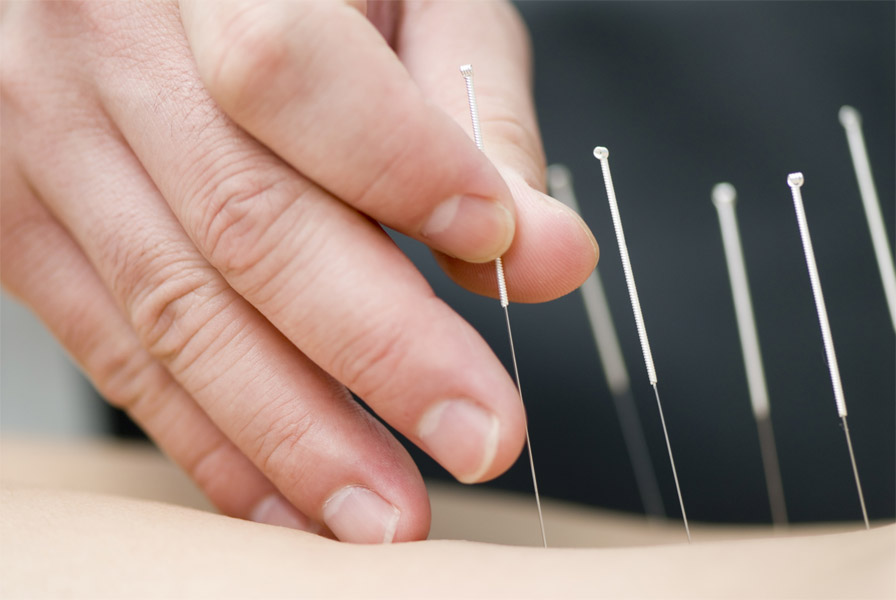
How acupuncture helps reduce pain, promote wellness
In the United States, acupuncture has become an increasingly popular treatment for pain and a variety of conditions including gastrointestinal, respiratory, neurological and muscular disorders and menstrual cramps. Acupuncture is also used to promote wellness, boost your immune system and helps resolve physical issues exacerbated by stress and tension. You do not have to be sick to receive or benefit from acupuncture treatment.
According to Chinese medicine, acupuncture is useful because it helps balance the flow of energy, called chi (“chee”) that travels through pathways known as meridians in your body. Western practitioners believe acupuncture points help stimulate nerves and increase blood flow. Nerves stimulated by acupuncture then send messages to the brain, which in turn releases endorphins, which are your body’s natural painkillers.
What type of conditions does acupuncture treat?
Acupuncture is used primarily to treat pain, boost the immune system and promote general wellness. Acupuncture is used to treat chronic illnesses including, but not limited to:
Gastrointestinal disorders such as gastritis, hyperacidity, spastic colon, constipation, and diarrhea
Respiratory diseases such as asthma, sinusitis, sore throat, bronchitis and recurrent respiratory infections
Neurological and muscular disorders such as osteoarthritis, tendinitis, migraine headaches, low back pain and neck pain
Menstrual cramps, urinary issues and reproductive problems.
Acupuncture is also helpful in treating physical problems related to stress, tension, and emotional conditions.
What to expect from acupuncture treatment
Each acupuncture practitioner has a personal style, which typically combines elements of both Eastern and Western approaches to medicine. During your first appointment, the provider will gather information to determine if you are a good candidate for acupuncture.
Providers will ask about the symptoms you’re experiencing and your lifestyle and behaviors. They may also check parts of your body where you are experiencing pain and take your pulse. Sometimes they will examine your tongue as its appearance is often altered by physiological changes in the body including illness. Some people are not good candidates for acupuncture, including those with bleeding disorders or taking blood thinners, or individuals who have a pacemaker or are pregnant.
Acupuncture needles are remarkably thin and not large like blood-drawing hypodermic needles. In fact, acupuncture needles are thinner than a strand of human hair! During acupuncture treatment, your provider will locate acupuncture points, then will quickly tap several needles into your skin.
Acupuncture is not painful. Acupuncture needles are inserted close to nerves, but not in them. Patients often describe a slight sensation as the needle is inserted. Some patients report feeling a faint aching sensation as the needle reaches the correct depth, which is normal.
Your treatment may use as few as five and up to 20 needles. During your treatment, you lie still and simply relax. After a short time, you may even forget the needles are there. On average, treatments last between 10 to 20 minutes.
Once the treatment is complete, you should not expect any discomfort as the provider removes the needles. After an acupuncture treatment, some people report feeling energized, while others say they experience a sense of relaxation.
How to select an acupuncture provider
The process of choosing an acupuncture practitioner is similar to selecting a doctor. Begin by asking family, friends or those you trust for recommendations. You may have questions about your first acupuncture treatment. Create a short list of your questions to ask your provider. Be sure to ask whether your pain or condition will improve with acupuncture treatment, what exactly your treatment would involve and if your health insurance will cover your treatment.
Related Care at Delaware Integrative Healthcare
An individualized evaluation helps determine the cause of symptoms and whether conservative care is appropriate.
Learn about acupuncture at Delaware Integrative Healthcare, read about questions to ask when choosing treatment, and explore our Delaware locations.
This article is for educational purposes and is not a diagnosis or a substitute for individualized medical advice.
Additional Evidence-Based Resource
For additional evidence-based information, review NCCIH: Acupuncture.
What Happens During an Acupuncture Visit?
A qualified practitioner reviews symptoms, health history, medications, and treatment goals before placing very thin needles at selected points. Needles are typically retained for a period while the patient rests. Sensations vary and may include pressure, heaviness, tingling, or a brief ache.
What Conditions Have Been Studied?
Research has examined acupuncture for several pain conditions, nausea, headache, and other concerns. Evidence and guideline recommendations vary by condition. Acupuncture should be discussed as one possible component of care rather than a universal treatment for wellness or disease.
Acupuncture Safety and Practitioner Qualifications
Acupuncture is generally considered safe when performed by a qualified practitioner using sterile, single-use needles. Tell the practitioner about pregnancy, bleeding disorders, blood-thinning medications, implanted devices, infection risk, and fainting history. Serious complications are uncommon but possible.
How to Judge Progress
Agree on measurable goals such as headache frequency, sleep, walking tolerance, or ability to complete daily tasks. Reassess after a defined trial. If symptoms worsen, new symptoms develop, or there is no meaningful benefit, the diagnosis and plan should be reviewed.
Schedule Your Next Step
Learn more about Dr. Philip Brown or review care available at our Middletown office. New patients can request an appointment online, and current patients can use the existing-patient scheduling page.
This article provides general educational information and does not replace an individualized evaluation or medical advice.
Explore This Topic
Use these related guides to learn more and prepare informed questions for your healthcare provider.