
Chiropractic Care for Lower Back Pain
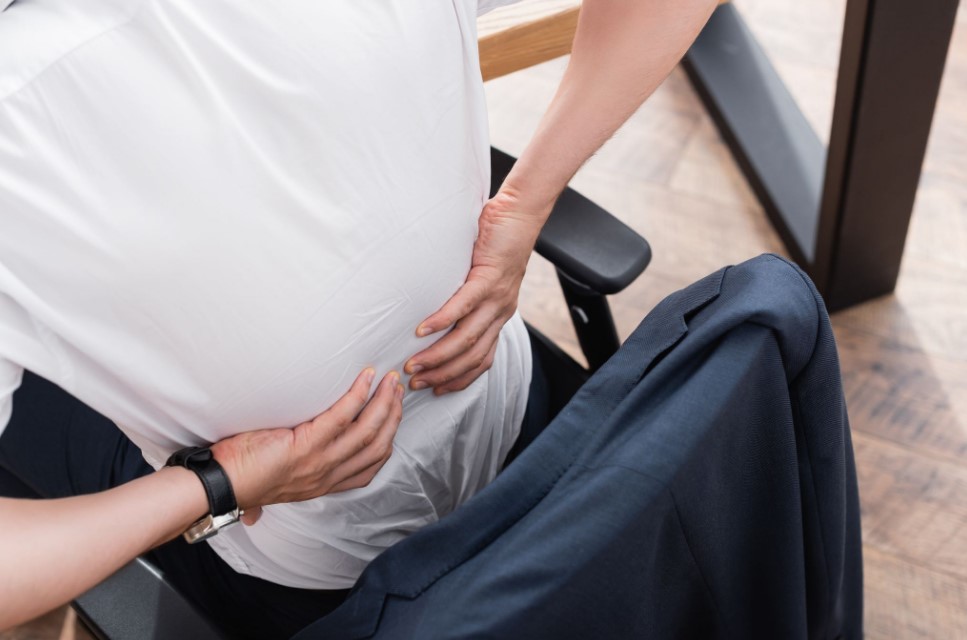
Lower back pain can make ordinary tasks such as sitting, walking, lifting, and sleeping difficult. It may begin after a sudden strain, develop gradually from repeated stress, or occur alongside an underlying condition. Because the causes vary, the safest first step is an evaluation that considers your symptoms, health history, movement, and any warning signs.
This guide explains common causes of lower back pain, when chiropractic care may be considered, what an evaluation can involve, and when you should seek urgent medical care.
What Can Cause Lower Back Pain?
Lower back pain is a symptom rather than a single diagnosis. Common contributors include muscle or ligament strains, prolonged sitting, poor lifting mechanics, reduced mobility, joint irritation, and age-related changes in the spine. Disc-related conditions and nerve irritation can also cause back pain, sometimes with pain, numbness, or tingling that travels into a leg.
According to the National Institute of Neurological Disorders and Stroke, most acute low back pain improves over time, but persistent or severe symptoms may require professional evaluation.
When Lower Back Pain Needs Prompt Medical Attention
Seek urgent medical care for back pain after a serious accident or when pain occurs with loss of bowel or bladder control, new weakness, numbness around the groin or saddle area, fever, unexplained weight loss, or other rapidly worsening symptoms. These signs can point to conditions that need medical assessment rather than routine conservative care.
Patients who are pregnant, have osteoporosis, take blood-thinning medication, have a history of cancer, or have recently had surgery should tell their healthcare provider before beginning a new treatment plan.
How Chiropractic Care May Fit Into a Lower Back Pain Plan
Chiropractic care is one conservative option that may be considered for certain types of mechanical lower back pain. A chiropractor evaluates how the spine, joints, muscles, and surrounding tissues are moving and may use manual therapies, guided exercise, or other supportive treatments based on the patient's needs.
Spinal manipulation is not appropriate for every patient or every cause of back pain. A careful evaluation helps determine whether chiropractic care may be reasonable, whether treatment should be modified, or whether referral to another healthcare professional is more appropriate. The National Center for Complementary and Integrative Health provides a useful overview of spinal manipulation, including potential benefits and risks.
What to Expect During an Evaluation
A lower back pain evaluation generally begins with questions about when the pain started, what makes it better or worse, whether it travels into the legs, and how it affects daily activities. The provider may assess posture, range of motion, strength, reflexes, sensation, and movement patterns.
Imaging is not automatically required for every case of lower back pain. When symptoms or examination findings suggest a condition that needs further investigation, the provider may recommend imaging or coordinate care with another medical professional.
Conservative Care Options
A care plan may include more than one approach. Depending on the evaluation, conservative options can include:
- Manual therapy or chiropractic adjustments when appropriate
- Mobility and strengthening exercises
- Guidance on lifting, sitting, and workstation setup
- Activity modification during recovery
- Massage therapy or other supportive soft-tissue care
- Referral for medical evaluation, imaging, or another specialty when needed
Staying active within comfortable limits is often preferred to prolonged bed rest. The right level of activity depends on the cause and severity of the pain, so advice should be individualized.
Reducing the Risk of Future Flare-Ups
No strategy can prevent every episode of lower back pain, but several habits may help support long-term function. Use controlled lifting mechanics, change positions during long periods of sitting, gradually build strength and mobility, and return to demanding activities at a manageable pace. If a specific movement repeatedly causes pain, a healthcare professional can help assess the pattern.
Lower Back Pain Care at Delaware Integrative Healthcare
Delaware Integrative Healthcare provides chiropractic care and other conservative treatment options across its Delaware locations. The appropriate next step depends on your symptoms, examination findings, health history, and goals.
Explore our Delaware locations or review our guide to sciatic nerve pain if your back pain travels into the leg. To discuss whether an evaluation is appropriate, schedule a consultation with the DIH team.
This article is for educational purposes and is not a diagnosis or a substitute for individualized medical advice.
Understanding Flare-Ups
Lower-back pain often changes over time. A flare does not always mean new damage, but it is a signal to review activity, sleep, stress, and symptoms. Use the strategies that previously helped, remain comfortably active when appropriate, and seek reassessment for unusual or worsening symptoms.
What Good Conservative Care Teaches
Care should help you understand the likely pain pattern, identify manageable activities, and build confidence in movement. Hands-on treatment may help some patients, but education and active strategies are important for lasting function.
Work and Daily-Activity Modifications
Temporary changes to lifting, sitting duration, or repetitive tasks can help during recovery. Avoid turning short-term modifications into permanent fear of movement. Gradually restore normal activities as tolerance improves.
Questions to Ask at Reassessment
Ask what has improved, what remains limited, whether the diagnosis still fits, and what you can do independently. If there is no meaningful progress, discuss changing the plan or seeking another evaluation.
Schedule Your Next Step
Learn more about Dr. Paul White or review care available at our Dover office. New patients can request an appointment online, and current patients can use the existing-patient scheduling page.
This article provides general educational information and does not replace an individualized evaluation or medical advice.
Primary Chiropractic Resource
For a broader overview and more related patient guides, visit Answers to Your Top 10 Questions About Chiropractic Care.