
Before You Decide on Spinal Decompression Therapy
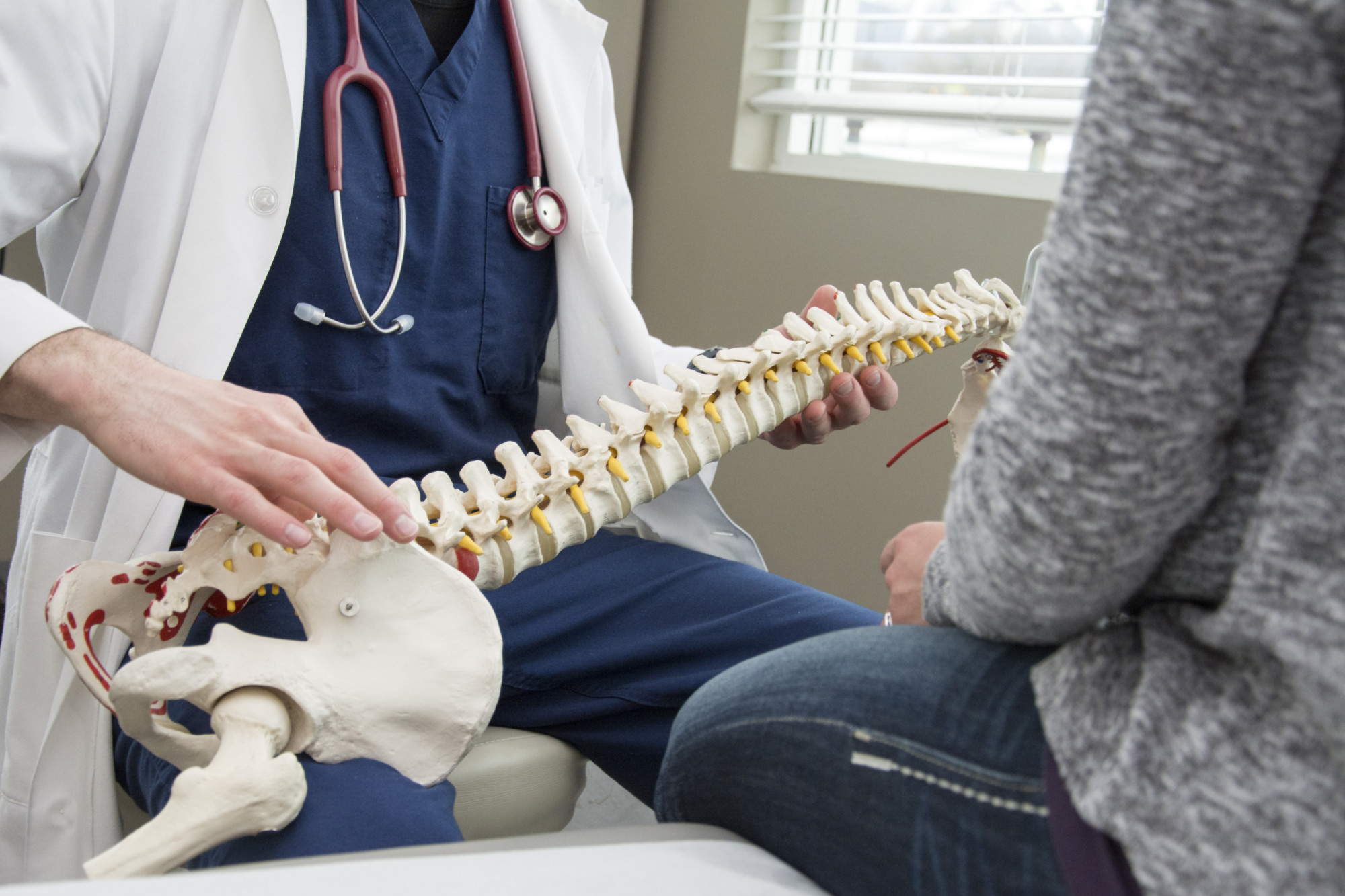
Before You Decide on Spinal Decompression Therapy
Back pain rarely arrives as one dramatic moment. More often, it appears in choices people avoid: driving, lifting groceries, working out, or sleeping through the night. When those workarounds become normal, it is reasonable to explore treatment options—carefully.
Start With the Right Question
Spinal decompression is not a diagnosis. It is a non-surgical treatment option. The question is not, “Can this machine fix my back?” It is, “What is contributing to my symptoms, and is this the right type of care?”
Delaware Integrative Healthcare describes spinal decompression as an option for chronic back or neck pain associated with herniated or bulging discs, degenerative disc disease, posterior facet syndrome, and sciatica. Those are broad categories, not automatic answers. Similar symptoms can have different causes, so an evaluation should come first.
Understand What the Therapy Is Designed to Do
At Delaware Integrative Healthcare, treatment is provided with the DRX9000 True Non-Surgical Spinal Decompression System. The patient is positioned on a treatment table while the system applies computer-controlled, changing traction forces to the spine.
The FDA lists the DRX9000 as Class II power traction equipment and cleared it through the 510(k) process for specified uses related to low-back pain and sciatica. FDA clearance means the device was allowed to enter the market as substantially equivalent to a legally marketed device. It does not promise that every kind of back or neck pain will respond, or replace a full diagnosis.
Expect a Plan, Not a Single Appointment
Good care considers symptoms, health history, movement, daily limits, prior care, and whether imaging or another referral is appropriate. The goal is to decide whether decompression belongs in the plan, not to force every patient into the same plan.
The research calls for realistic expectations. A 2022 randomized trial found better short-term outcomes when non-surgical decompression was added to routine physical therapy for people with lumbar radiculopathy. At the same time, a Cochrane review found that traction, considered broadly across low-back pain studies, had little or no impact on pain or function for many patients. The evidence is mixed, and patient selection matters.
Know When It Is Not the Right Next Step
Some symptoms call for urgent medical evaluation, not a decompression appointment. New bowel or bladder changes, numbness around the groin or buttocks, or rapidly worsening leg weakness can be warning signs of cauda equina syndrome, a rare but serious condition that requires prompt care.
There are also situations where the better next step may be medical imaging, physical therapy, medication management, a specialist consultation, or another appropriate treatment. Honest care means knowing when to recommend something else.
Measure Success by Life, Not Hype
The value of any back-pain treatment is not whether it sounds advanced. It is whether it helps a person do more of what matters: sit through a meeting, sleep more comfortably, take a walk, return to exercise, or move through the day with less fear.
Spinal decompression may be a reasonable conservative option for appropriately selected patients. The best place to begin is not with a promise. It is with a thoughtful evaluation, clear goals, and a plan built around the person—not just the pain.
Contact Delaware Integrative Healthcare Today
At Delaware Integrative Healthcare, our specialists are committed to helping you find relief from migraines. Our experienced chiropractors will use a comprehensive approach to diagnose and treat your condition to give you the best results possible. We can provide treatments that may include spinal adjustments, myofascial release, lifestyle advice, and nutritional guidance.
By taking into account any underlying conditions or history of migraine headaches, we'll be able to determine what kind of intervention would be most effective for relieving your pain.
If you want to help to manage your migraine symptoms, contact us today at Delaware Integrative Healthcare and let us work with you to develop a personalized strategy. Our dedicated team is here to answer any questions about how chiropractic care could benefit you – call now!
Related Care and Resources
Learn more about DIH's chiropractic care options and how care is tailored to each patient's needs.
Patients can request an evaluation at our Milford, New Castle and Dover locations.
Related reading:5 Common Conditions That Can Be Treated With Disc Decompression Therapy.
Schedule Your Next Step
Learn more about Dr. Trevor Ennis. New patients can request an appointment online, and current patients can use the existing-patient scheduling page.
This article provides general educational information and does not replace an individualized evaluation or medical advice.
Primary Chiropractic Resource
For a broader overview and more related patient guides, visit Answers to Your Top 10 Questions About Chiropractic Care.