
How to Increase Range of Motion to Decrease Hip Pain
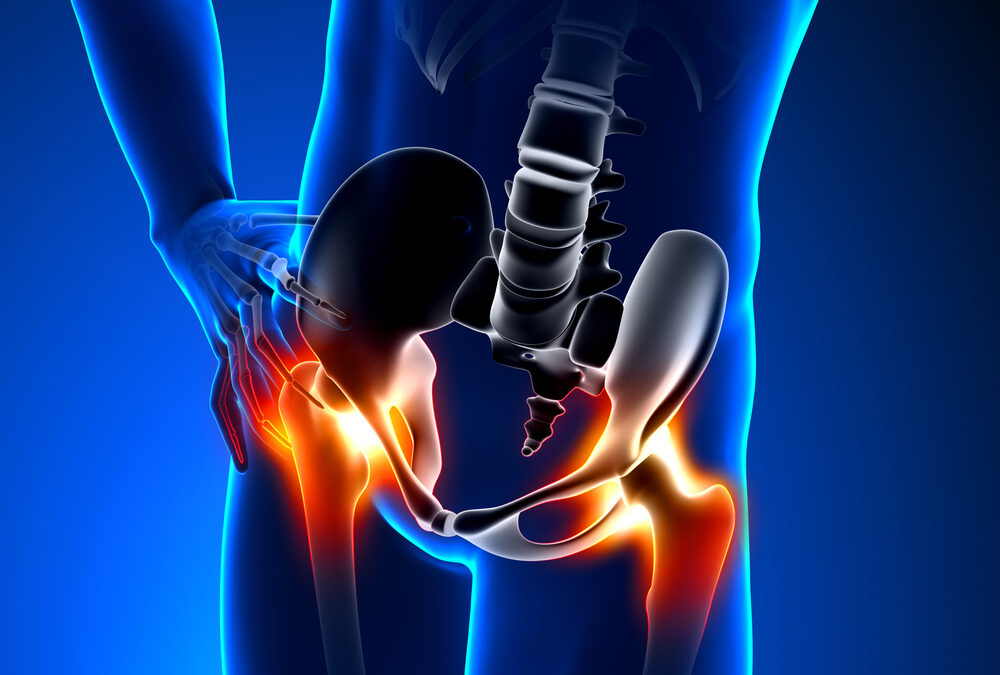
Do you feel tight and restricted in your joints and muscles? This state of being is a gateway to hip pain. In fact, increasing range of motion is one of the best ways to treat hip pain holistically. Take a look at the connection between healing hip pain and increasing range of motion.
Why Hip Health Is Important for Overall Health and Mobility
We use our hips in nearly everything we do! The hips are activated whenever we walk, sit, run, bend, crouch, roll over or jump. That means that hip pain can severely limit what we're capable of doing in day-to-day life once it strikes. If you're living with hip pain, you already know how limiting it can be. In many cases, people stop dancing, playing sports, or exercising because of pain and stiffness. This can create a long list of long-term health issues that include things like weight gain, high blood pressure, heart disease, and diabetes. You can also injure other parts of your body when you allow a hip issue to go untreated because you begin to compensate in ways that can put strain on the rest of your lower body.
What Does Hip Pain Feel Like?
How can you be sure that you're suffering from hip pain? Hip issues manifest in one of two ways. The first is something called diminished internal hip rotation. This means that there's a limitation regarding the way your hip joint interacts with your thigh. As a result, you may find it difficult to complete the "twisting" motion necessary when you're doing things like walking, running, or squatting. Some people actually change their gait to account for lack of proper hip rotation. As a result, you may notice that your knees turn inward even though they never did before.
The second type of problem is called an external rotation issue. This is where you're unable to properly rotate your leg away from your body. Picture the motion you make when you're getting into your car seat to understand what an external rotation issue entails. In addition to being painful, this hip issue can reduce your stability, make it difficult to make swift movements, and create serious pain in your legs and back.
What Causes Hip Pain?
There are many causes behind hip pain. While some may be instant, others take years to manifest. The thing that all causes have in common is that the hip is suffering from decreased range of motion due to some underlying factor. In many cases, hip pain is the result of an underlying injury or chronic-usage condition. Take a look at what is most likely behind your hip pain:
- Hip Impingements: A common cause of hip pain, a hip impingement occurs when bone shift alongside the bones located at the hip joint. This arrangement creates an irregular wear pattern against the hip joint that can create painful friction. If left untreated, a hip impingement can destroy the hip joint over time. In addition to causing extreme pain, a hip impingement can drastically reduce range of motion for a person.
- Hip Torsion: Hip torsion is essentially a twisted pelvis. A painful condition, hip torsion occurs when one of your hips shifts from its normal positioning. When this occurs, a person can experience extreme pain and inflammation. The twisting will get worse as the body accommodates for the twisted pelvis.
- Bursitis: When the fluid-filled sacks called bursa that insulate our joints becomes worn or inflamed, this creates painful tension and friction that can cause a raw, scraping feeling around the hips.
- Osteoarthritis: For some people, hip pain is the result of a degenerative condition called osteoarthritis that occurs as our cartilage begins to wear down with age. While this condition can't necessarily be reversed, there are ways to manage the symptoms to avoid progression.
- Muscle Strain: When we use a muscle incorrectly during exercise, physical movement, sleep or any other activity, we can cause tearing or bruising in the hip flexor muscles.
- Overuse: Repetitive motions that require us to use our hips to lift heavy items, go up and down a staircase over and over again or make the same motions continuously can all cause hip pain stemming from strained hip flexor muscles.
- Posture: Sitting improperly in a chair for long hours can create strain in the muscles surrounding the hips. This is common when people "hunch forward" while looking at computer screens.
- Sedentary Lifestyle: While we often associate hip injuries with overuse or strain, some of the worst hip injuries actually stem from inactivity. When we don't use and stretch our hip flexors regularly, we risk allowing them to become tighter. In fact, hip flexors that aren't used can actually shorten. This is one of the reasons why hip pain is one of the biggest risks associated with desk jobs. When we sit for long periods, the hip flexors can easily tighten. What's more, they may shorten if we overstretch other muscles to accommodate for a "stooping" or "slouching" posture.
Yes, it can sometimes take a bit of investigation to understand why hip pain is happening. In some cases, it may not be the actual movement of the hip that is creating pain and loss of mobility. You may be putting stress on your hip muscles by overcompensating with weight and pressure from another part of your body. We commonly see this with people who tilt forward when sitting at a desk. It's possible that loss of mobility in the hips could be due to blunt force from an accident or injury. If you've been involved in any type of automobile crash, bike tumble, sports collision, or household fall, it's important to consider that an unhealed injury could be contributing to hip pain. Of course, stretches and exercise can sometimes help to elongate and loosen tight, restricted hip muscles that are experiencing reduced range of motion.
How Do You Treat Hip Pain?
The goal is to restore your range of motion by removing whatever is causing tension and strain. Ideally, you'll work with a professional who can offer insights regarding the root cause of your hip pain. While some people are able to reduce hip pain using exercises, stretches or yoga poses at home, the reality is that it's very hard to properly stretch to treat hip muscles for a restored range of motion if you're not clear about the origins of your pain and restrictions. Here are some benefits to treating hip pain to restore range of motion naturally:
- You can avoid the use of pain medication.
- You may be able to prevent the need for a costly surgery that requires down time.
- Looking at lifestyle factors like nutrition and exercise could help you to reduce the strain put on your hips by excess weight.
- Getting in proper alignment through adjustments, stretching and posture can help to prevent strain and injuries in other parts of your body.
In several studies, chiropractic care has been shown to be an effective treatment for managing hip pain. When used for patients with osteoarthritis, chiropractic care has been shown to create significant improvements in hip pain. In addition, manual chiropractic adjustments have also been used to successfully reduce pain during rehabilitation in patients who have undergone hip surgeries.
For many patients, manual adjustments that address misalignments in the spine help to restore proper hip function by allowing the hip flexors to work properly without the friction and tension that cause inflammation. In addition, chiropractors can guide patients on how to use exercises like hip flexor stretches, band stretches, piriformis muscle stretches, leg raising, and other body-weight techniques that help to stretch tight, shortened muscles while restoring balance to the body.
Related Care and Resources
Learn more about DIH's chiropractic care options and how care is tailored to each patient's needs.
Patients can request an evaluation at our Middletown location.
Related reading: 7 Easy Ways To Fix Bad Posture.
Schedule Your Next Step
Learn more about Dr Harold Lee Adkins or review care available at our Dover office. New patients can request an appointment online, and current patients can use the existing-patient scheduling page.
This article provides general educational information and does not replace an individualized evaluation or medical advice.
Primary Condition / Symptom Resource
For a broader overview and more related patient guides, visit An Overview of the 10 Most Common Sports Injuries.