
Five Factors That Could Be Contributing to Your Sciatica
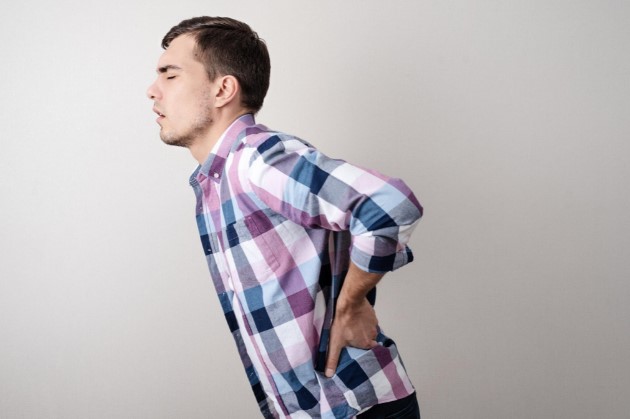
Are you wondering what could be causing your relentless sciatica symptoms? We often lump sciatica in with generic back pain. However, this condition comes with its own set of unique causes. As a result, we shouldn't attempt to treat sciatic pain the same way we'd treat routine back pain. The sciatic nerve is the longest, largest nerve in your body. It branches from your lower back through your hips and buttocks before winding down each leg. That means there are many opportunities for something to go wrong!
Your local chiropractor wants you to know that there is a relief for sciatica! In addition, a little bit of awareness of what could be causing your sciatica is helpful. Take a look at five factors that could be contributing to your sciatica.
1. Aging
Many people who manage to live their whole lives without back pain get taken by surprise when sciatica comes in out of the blue. We can't avoid the fact that the body begins to deteriorate as we get older. While we may see gray hairs and new wrinkles in the mirror, we might not see the telltale signs of aging that are peppering our spines. There are two main spinal issues that cause age-related sciatica. The first is a herniated disc.
When you have a herniated disc, the gel-like cushions that rest between the vertebrae begin to become dry, brittle and cracked. Your back loses the support system that once allowed you to make pain-free movements. This lack of soft, gel-like support allows for the nerves within the spine to become compressed, stressed, and displaced.
The other common age-related cause of sciatica is bone spurs. Bone spurs are growths consisting of "extra" bone that pop up on the vertebra. When they happen in the wrong spot, they can impinge on your sciatic nerve to cause pain and pressure.
2. Excessive Sitting
Sciatica is common in people with desk jobs. Of course, anyone who leads a sedentary life can be at risk for sciatica. Sitting puts pressure on the sciatic nerve which can lead to compression. The truth about the link between sitting and sciatica is that most of us make the risks higher than they need to be by sitting with poor posture. Learning what the right posture should look like when you're sitting at your work desk can make a world of difference in leading a pain-free life! It's also helpful to have some tricks up your sleeve for how to take the pressure off your sciatic nerve. Follow these tips:
- Do your best to take breaks that allow you to get up from your desk. One break an hour is preferred. While not everyone has the luxury of getting up for exercise whenever they please, anything from a quick walk to the restroom to a stop at the coffee station is better than nothing.
- If possible, schedule your daily walk, jog, or workout session in the middle of the workday to help break up the amount of time you're sitting.
- Make sure you're using an ergonomic chair with back support. Consider a setup with a standup desk if that's possible.
- Position your work desk to allow your eyes to stare straight at your screen without the need to adjust the chin upward or downward.
- Avoid crossing and spreading your legs while sitting.
Many people live with sciatic pain for the sake of productivity without even realizing that they are causing damage. If you routinely sit until your legs or buttocks go numb, you're sitting too long. Make sure to work those breaks in whenever you can.
3. Obesity
Sciatica can be one of the unfortunate side effects of obesity. A 2014 study confirms that being obese is a risk factor for sciatica. When the body is carrying extra weight, extra strain and pressure are put on the spine. This will ultimately cause sciatica. If you're already living with sciatica, putting on extra weight can exacerbate mild symptoms. What's interesting is tAre you wondering what could be causing your relentless sciatica symptoms? We often lump sciatica in with generic back pain. However, this condition comes with its own set of unique causes. As a result, we shouldn't attempt to treat sciatic pain the same way we'd treat routine back pain. The sciatic nerve is the longest, largest nerve in your body. It branches from your lower back through your hips and buttocks before winding down each leg. That means there are many opportunities for something to go wrong!
Your local chiropractor wants you to know that there is a relief for sciatica! In addition, a little bit of awareness of what could be causing your sciatica is helpful. Take a look at five factors that could be contributing to your sciatica.
1. Aging
Many people who manage to live their whole lives without back pain get taken by surprise when sciatica comes in out of the blue. We can't avoid the fact that the body begins to deteriorate as we get older. While we may see gray hairs and new wrinkles in the mirror, we might not see the telltale signs of aging that are peppering our spines. There are two main spinal issues that cause age-related sciatica. The first is a herniated disc.
When you have a herniated disc, the gel-like cushions that rest between the vertebrae begin to become dry, brittle and cracked. Your back loses the support system that once allowed you to make pain-free movements. This lack of soft, gel-like support allows for the nerves within the spine to become compressed, stressed, and displaced.
The other common age-related cause of sciatica is bone spurs. Bone spurs are growths consisting of "extra" bone that pop up on the vertebra. When they happen in the wrong spot, they can impinge on your sciatic nerve to cause pain and pressure.
2. Excessive Sitting
Sciatica is common in people with desk jobs. Of course, anyone who leads a sedentary life can be at risk for sciatica. Sitting puts pressure on the sciatic nerve which can lead to compression. The truth about the link between sitting and sciatica is that most of us make the risks higher than they need to be by sitting with poor posture. Learning what the right posture should look like when you're sitting at your work desk can make a world of difference in leading a pain-free life! It's also helpful to have some tricks up your sleeve for how to take the pressure off your sciatic nerve. Follow these tips:
- Do your best to take breaks that allow you to get up from your desk. One break an hour is preferred. While not everyone has the luxury of getting up for exercise whenever they please, anything from a quick walk to the restroom to a stop at the coffee station is better than nothing.
- If possible, schedule your daily walk, jog, or workout session in the middle of the workday to help break up the amount of time you're sitting.
- Make sure you're using an ergonomic chair with back support. Consider a setup with a standup desk if that's possible.
- Position your work desk to allow your eyes to stare straight at your screen without the need to adjust the chin upward or downward.
- Avoid crossing and spreading your legs while sitting.
Many people live with sciatic pain for the sake of productivity without even realizing that they are causing damage. If you routinely sit until your legs or buttocks go numb, you're sitting too long. Make sure to work those breaks in whenever you can.
3. Obesity
Sciatica can be one of the unfortunate side effects of obesity. A 2014 study confirms that being obese is a risk factor for sciatica. When the body is carrying extra weight, extra strain and pressure are put on the spine. This will ultimately cause sciatica. If you're already living with sciatica, putting on extra weight can exacerbate mild symptoms. What's interesting is that researchers have actually identified both obesity and being overweight as risk factors for sciatica. The fact that obesity contributes to sciatica doesn't mean that you have to be at an ideal weight before seeking treatment for sciatic pain. Adjustments can be performed to realign discs to provide relief from sciatic pressure and pain.
4. Improper Shoes
Wearing old, ill-fitting shoes that lack proper support can increase your risk of developing sciatica. When we're walking out of balance, we put a level of strain on the spine that can easily cause misalignment. While any poorly fitting shoes can increase sciatica risks, there's a very specific risk to know about when it comes to a certain type of shoe. High heels are horrible for sciatica.
The truth is that any type of stiletto or high heel can disrupt the natural curvature of the spine by forcing you to shift your body weight forward in an unnatural manner. When this happens, the hips moving forward can easily put too much pressure on the lower back. This isn't to say that heels are strictly banned from your life. Being smart when shopping for high heels is essential for avoiding pain and injury. Look for shoes that provide a supportive foundation for the area of the back around the sciatic nerve. You can also consider supportive inserts that keep your feet in the right position.
5. Putting Items in Your Back Pocket
Do you tend to stuff your phone, wallet, keys, or other essentials in your back pocket? While these items can seem light, they are capable of doing serious damage to your sciatic nerve. These items actually place direct pressure on something called the piriformis muscle whenever you sit down. The reason why this is significant is that the piriformis muscle runs right over the sciatic nerve. It's very common for items left in pockets to put stress on the sciatic nerve.
What Are the Symptoms of Sciatic Pain?
Sciatic pain can be caused by any kind of irritation, inflammation, pinching, or compression, within the lower back. However, the symptoms can vary by person, cause, and affected area. These are the most common sciatica symptoms:
- Burning sensation radiating throughout the lower back, buttocks, thigh, and leg.
- Muscle weakness.
- Numbness.
- Sharp, shooting pain.
- Pins-and-needles sensations.
- Tingling sensations.
While some people deal with chronic sciatic pain, others might experience pain that "comes and goes" with different movements. Many people find that specific motions cause sciatic pain to spike. This can include sitting, standing, bending backward, sneezing, coughing, or laughing. Many people also find that sciatic pain flares up when straining to make bowel movements.
There are many techniques available for treating sciatic pain. A chiropractor will generally begin with manual spinal adjustments that gently move herniated or displaced discs back into position. This can help to instantly remove pressure from the sciatic nerve. Chiropractors are also focused on helping to strengthen core muscles throughout the back and abdomen to ensure that you're able to keep the body properly aligned with good posture. This can be achieved with a mix of in-office adjustments and at-home exercises. As part of a holistic approach to treating sciatic pain, chiropractors are also focused on helping you to learn how to maintain proper posture, find good lumbar support, and participate in exercises and movements that help to prevent sciatic nerve strain.
Are you looking for a chiropractor specializing in sciatic pain in Delaware? DE Integrative offers a holistic approach to treating sciatic nerve pain that allows you to address the root cause of your injury. Using a variety of manual and instrument-guided adjustments, our team of compassionate experts can help you return to life without pain. Book a consultation today!
Related Care at Delaware Integrative Healthcare
Sciatica symptoms can have several causes. New weakness, bowel or bladder changes, saddle numbness, or rapidly worsening pain warrants urgent medical care.
Learn about chiropractic care at Delaware Integrative Healthcare, read about chiropractic care for sciatica pain, and explore our Delaware locations.
This article is for educational purposes and is not a diagnosis or a substitute for individualized medical advice.
hat researchers have actually identified both obesity and being overweight as risk factors for sciatica. The fact that obesity contributes to sciatica doesn't mean that you have to be at an ideal weight before seeking treatment for sciatic pain. Adjustments can be performed to realign discs to provide relief from sciatic pressure and pain.
4. Improper Shoes
Wearing old, ill-fitting shoes that lack proper support can increase your risk of developing sciatica. When we're walking out of balance, we put a level of strain on the spine that can easily cause misalignment. While any poorly fitting shoes can increase sciatica risks, there's a very specific risk to know about when it comes to a certain type of shoe. High heels are horrible for sciatica.
The truth is that any type of stiletto or high heel can disrupt the natural curvature of the spine by forcing you to shift your body weight forward in an unnatural manner. When this happens, the hips moving forward can easily put too much pressure on the lower back. This isn't to say that heels are strictly banned from your life. Being smart when shopping for high heels is essential for avoiding pain and injury. Look for shoes that provide a supportive foundation for the area of the back around the sciatic nerve. You can also consider supportive inserts that keep your feet in the right position.
5. Putting Items in Your Back Pocket
Do you tend to stuff your phone, wallet, keys, or other essentials in your back pocket? While these items can seem light, they are capable of doing serious damage to your sciatic nerve. These items actually place direct pressure on something called the piriformis muscle whenever you sit down. The reason why this is significant is that the piriformis muscle runs right over the sciatic nerve. It's very common for items left in pockets to put stress on the sciatic nerve.
What Are the Symptoms of Sciatic Pain?
Sciatic pain can be caused by any kind of irritation, inflammation, pinching, or compression, within the lower back. However, the symptoms can vary by person, cause, and affected area. These are the most common sciatica symptoms:
- Burning sensation radiating throughout the lower back, buttocks, thigh, and leg.
- Muscle weakness.
- Numbness.
- Sharp, shooting pain.
- Pins-and-needles sensations.
- Tingling sensations.
While some people deal with chronic sciatic pain, others might experience pain that "comes and goes" with different movements. Many people find that specific motions cause sciatic pain to spike. This can include sitting, standing, bending backward, sneezing, coughing, or laughing. Many people also find that sciatic pain flares up when straining to make bowel movements.
There are many techniques available for treating sciatic pain. A chiropractor will generally begin with manual spinal adjustments that gently move herniated or displaced discs back into position. This can help to instantly remove pressure from the sciatic nerve. Chiropractors are also focused on helping to strengthen core muscles throughout the back and abdomen to ensure that you're able to keep the body properly aligned with good posture. This can be achieved with a mix of in-office adjustments and at-home exercises. As part of a holistic approach to treating sciatic pain, chiropractors are also focused on helping you to learn how to maintain proper posture, find good lumbar support, and participate in exercises and movements that help to prevent sciatic nerve strain.
Are you looking for a chiropractor specializing in sciatic pain in Delaware? DE Integrative offers a holistic approach to treating sciatic nerve pain that allows you to address the root cause of your injury. Using a variety of manual and instrument-guided adjustments, our team of compassionate experts can help you return to life without pain. Book a consultation today!
Schedule Your Next Step
Learn more about Dr Harold Lee Adkins or review care available at our Dover office. New patients can request an appointment online, and current patients can use the existing-patient scheduling page.
This article provides general educational information and does not replace an individualized evaluation or medical advice.
Primary Condition / Symptom Resource
For a broader overview and more related patient guides, visit An Overview of the 10 Most Common Sports Injuries.