
Are You Stretching The Right Way?
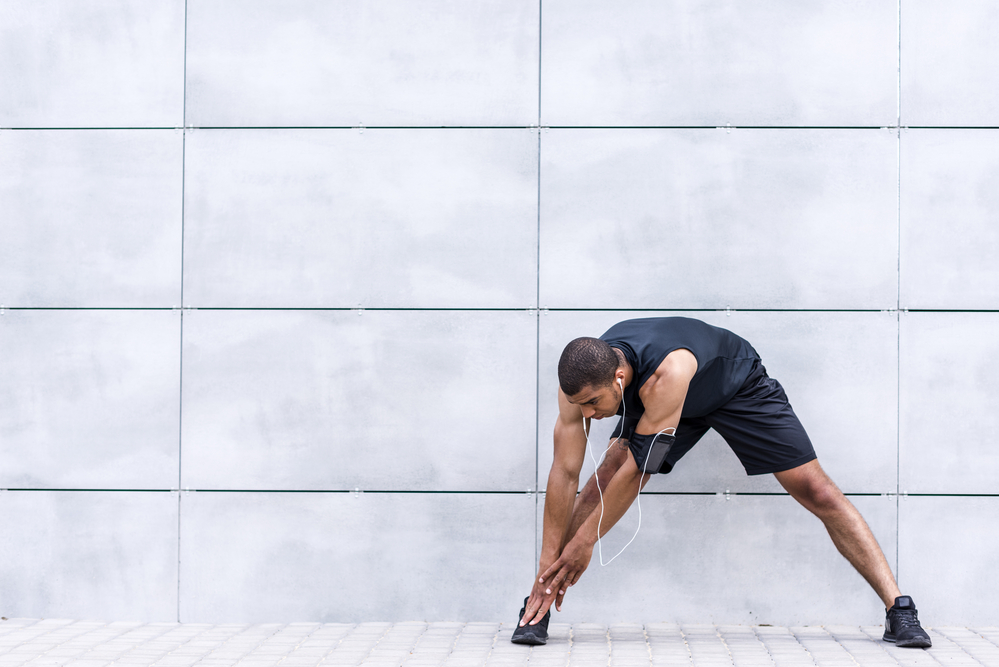
Whether you already have a regular, daily stretching routine or not, it's important to know the basics of how stretches work to improve your range of motion (ROM), ease pain, and do plenty of other things to improve general health and flexibility.
Chiropractors are experts in the field of muscle, bone, connective tissue, and spine health. That means they know a lot about stretching. When you visit a chiropractic physician, you'll be given some advice about stretches that are ideal for your particular situation.
One good way to get started is to educate yourself about four main areas. First, learn the basics of stretching so that you'll be ready to follow your chiropractor's instructions accurately. Second, always be sure to get a detailed stretching program, with lists of specific moves, from your chiropractor. That way, you'll be sure to target the troublesome areas more specifically. Plus, you'll be doing so based on sound medical advice as opposed to what you think might be best.
Additionally, it's essential to review a comprehensive list of suggestions for effective stretching as well as a detailed list of how not to stretch. Like so many other forms of exercise and warmup routines, stretching is most beneficial when done correctly and under the guidance of a licensed professional, like a chiropractic doctor.
It's always smart to begin with the basics, so review the information below to acquire a solid foundation of knowledge about the topic.
Stretching Basics Everyone Should Know
Before starting any type of physical improvement routine, it's important to consult a healthcare professional. For example, when you undergo a thorough exam in your chiropractor's office, you'll no doubt get some excellent advice about stretching.
Here are some basics that are common to most stretching routines, but always be sure to check with your chiropractor before starting to stretch on your own.
- Stretching costs nothing and just about anyone can do it wherever they wish without the need for equipment. No special skills or physical fitness levels are required to get started
- Intend to stretch until you feel a very slight tightening of the muscle you're working. Never extend the stretch to the point where you experience pain
- Consistency is what gives power to your stretching routine, so aim to do a session every day or every other day for several weeks before expecting results. However, many people feel the positive benefits much sooner than that
- For most stretches, it's beneficial to spend about 30 seconds holding the position, but only while keeping the body still. In other words, don't bounce when you stretch
- When done correctly, it's possible to significantly reduce bodily pain and increase joint mobility with a simple, regular stretching routine
- For most people, stretching helps the body's joints and muscles feel better, achieve high levels of relaxation, and become more mobile. But, there's no one-size-fits-all routine that is guaranteed to bring relief to everyone. That's why it's a must to speak with your chiropractor before you begin.
Stretching the Right Way
If you're new to stretching, it's a good idea to keep some basic tips in mind as you begin each day's routine. Of course, if you get a written program from your chiropractor, that's really the best way to start out. Here are a few of the most frequent suggestions you'll hear when you get professional advice about stretching.
- Consider doing one or two routines per day if you tend to have a lot of daily muscle soreness or if you have less-than-perfect posture. Some people who work in offices or at desks for long hours each day do one routine in the morning and one in the eveningWhether you already have a regular, daily stretching routine or not, it's important to know the basics of how stretches work to improve your range of motion (ROM), ease pain, and do plenty of other things to improve general health and flexibility.Chiropractors are experts in the field of muscle, bone, connective tissue, and spine health. That means they know a lot about stretching. When you visit a chiropractic physician, you'll be given some advice about stretches that are ideal for your particular situation.One good way to get started is to educate yourself about four main areas. First, learn the basics of stretching so that you'll be ready to follow your chiropractor's instructions accurately. Second, always be sure to get a detailed stretching program, with lists of specific moves, from your chiropractor. That way, you'll be sure to target the troublesome areas more specifically. Plus, you'll be doing so based on sound medical advice as opposed to what you think might be best.Additionally, it's essential to review a comprehensive list of suggestions for effective stretching as well as a detailed list of how not to stretch. Like so many other forms of exercise and warmup routines, stretching is most beneficial when done correctly and under the guidance of a licensed professional, like a chiropractic doctor.It's always smart to begin with the basics, so review the information below to acquire a solid foundation of knowledge about the topic.Stretching Basics Everyone Should KnowBefore starting any type of physical improvement routine, it's important to consult a healthcare professional. For example, when you undergo a thorough exam in your chiropractor's office, you'll no doubt get some excellent advice about stretching.Here are some basics that are common to most stretching routines, but always be sure to check with your chiropractor before starting to stretch on your own.
- Stretching costs nothing and just about anyone can do it wherever they wish without the need for equipment. No special skills or physical fitness levels are required to get started
- Intend to stretch until you feel a very slight tightening of the muscle you're working. Never extend the stretch to the point where you experience pain
- Consistency is what gives power to your stretching routine, so aim to do a session every day or every other day for several weeks before expecting results. However, many people feel the positive benefits much sooner than that
- For most stretches, it's beneficial to spend about 30 seconds holding the position, but only while keeping the body still. In other words, don't bounce when you stretch
- When done correctly, it's possible to significantly reduce bodily pain and increase joint mobility with a simple, regular stretching routine
- For most people, stretching helps the body's joints and muscles feel better, achieve high levels of relaxation, and become more mobile. But, there's no one-size-fits-all routine that is intended to bring relief to everyone. That's why it's a must to speak with your chiropractor before you begin.
- Consider doing one or two routines per day if you tend to have a lot of daily muscle soreness or if you have less-than-perfect posture. Some people who work in offices or at desks for long hours each day do one routine in the morning and one in the evening
- Do a gentle "shake-out" arms and legs before a session. Move your head from side to side, gently, to loosen up the neck and shoulders. Another good move is to do couple of bend-overs as a general warmup for any stretching session. The body likes to get a warning that exercise or stretching is about to take place, and these soft, non-vigorous movements get the job done
- Drink a glass of water about a half-hour before beginning your routine. Dehydration is the enemy of good health, and is especially troublesome for people who are engaging in active movement of the limbs and torso. It's also a good idea to keep some water handy during your routine and take a sip or two whenever you feel the need.
- In general, it's usually best to stretch after a workout rather than before. While this seems counterintuitive, it makes good sense. Of course, feel free to warm up and walk around for a few minutes before exercising, but save the stretching routine for after
- Never stretch to the "pain point." Unlike the exercise maxim of "no pain, no gain," stretching should never be painful. If your muscles ache and you strive to relieve some of the discomfort with gentle stretches, remember to only hold the position for about 20 seconds and be sure to avoid reaching the pain point
- Don't stretch on a full stomach or after you've been consuming alcohol. The body just doesn't respond very well right after a meal or when there's alcohol in the bloodstream. So, if you just ate dinner or enjoyed a few adult beverages with friends, postpone your stretch session until a later time
- Don't stop doing strength exercises once you begin stretching. Unless you still feel pain, it's important to exercise regularly and not fall into the trap of thinking that stretching is a substitute for traditional exercise routines that work to build up the muscles and bones
- Don't stretch when you are ill or have an upset stomach. In many cases, even an easy session will make your illness worse, so feel free to skip a day or two when you are under the weather with a severe cold or the flu
- Don't stretch when you are tired. Ideally, stretching in the early morning or early evening is best, but avoid doing a session when you are physically exhausted. Otherwise, you risk injuring muscles that are already taxed to their physical limits
- Use the yoga system for breathing, which means to take air in through the nostrils while stretching and exhale fully through the mouth. This system is about more than simple oxygen intake, because it actually helps relax your entire body as you extend limbs and execute the various stretches
- Stretching costs nothing and just about anyone can do it wherever they wish without the need for equipment. No special skills or physical fitness levels are required to get started
- Do a gentle "shake-out" arms and legs before a session. Move your head from side to side, gently, to loosen up the neck and shoulders. Another good move is to do couple of bend-overs as a general warmup for any stretching session. The body likes to get a warning that exercise or stretching is about to take place, and these soft, non-vigorous movements get the job done
- Drink a glass of water about a half-hour before beginning your routine. Dehydration is the enemy of good health, and is especially troublesome for people who are engaging in active movement of the limbs and torso. It's also a good idea to keep some water handy during your routine and take a sip or two whenever you feel the need.
- In general, it's usually best to stretch after a workout rather than before. While this seems counterintuitive, it makes good sense. Of course, feel free to warm up and walk around for a few minutes before exercising, but save the stretching routine for after
The Wrong Way to Stretch
It's human nature to want to do more of what makes us feel good. This concept applies to stretching, which means that it's all too easy to overdo it. Here are some general guidelines about what not to do during your regular routine.
- Never stretch to the "pain point." Unlike the exercise maxim of "no pain, no gain," stretching should never be painful. If your muscles ache and you strive to relieve some of the discomfort with gentle stretches, remember to only hold the position for about 20 seconds and be sure to avoid reaching the pain point
- Don't stretch on a full stomach or after you've been consuming alcohol. The body just doesn't respond very well right after a meal or when there's alcohol in the bloodstream. So, if you just ate dinner or enjoyed a few adult beverages with friends, postpone your stretch session until a later time
- Don't stop doing strength exercises once you begin stretching. Unless you still feel pain, it's important to exercise regularly and not fall into the trap of thinking that stretching is a substitute for traditional exercise routines that work to build up the muscles and bones
- Don't stretch when you are ill or have an upset stomach. In many cases, even an easy session will make your illness worse, so feel free to skip a day or two when you are under the weather with a severe cold or the flu
- Don't stretch when you are tired. Ideally, stretching in the early morning or early evening is best, but avoid doing a session when you are physically exhausted. Otherwise, you risk injuring muscles that are already taxed to their physical limits
- Use the yoga system for breathing, which means to take air in through the nostrils while stretching and exhale fully through the mouth. This system is about more than simple oxygen intake, because it actually helps relax your entire body as you extend limbs and execute the various stretches
Get Help From a Licensed Chiropractic Physician
If you experience muscle tightness and discomfort regularly, the smartest move you can make is to visit a licensed chiropractic physician. At Delaware Integrative Health Care, we can show you how to adapt a specific stretching routine for your particular situation.
There's never a charge for an initial consultation, and for new patients, we always make sure to perform a thorough physical exam to rule out more serious conditions before prescribing a stretching routine for pain relief. For your convenience, we have offices in Middletown East, Middletown West, Dover, and Milford.
Give a call to any of our offices to schedule an initial exam or a consultation with the doctor. We look forward to hearing from you and helping you get the pain relief you need to achieve long-term health and wellness.
Additional Evidence-Based Resource
For additional evidence-based information, review MedlinePlus: Health Topics.
Related Care and Resources
Related reading: A Guide On How to Fix a Knot in Your Neck.
Schedule Your Next Step
Learn more about Dr Harold Lee Adkins or review care available at our Dover office. New patients can request an appointment online, and current patients can use the existing-patient scheduling page.
This article provides general educational information and does not replace an individualized evaluation or medical advice.
Primary General Wellness Resource
For a broader overview and more related patient guides, visit How Do I Find the Treatment That’s Right for Me? Questions to Ask Your Doctor.