
After an Auto or Work Injury, Everyday Movements Can Feel Different
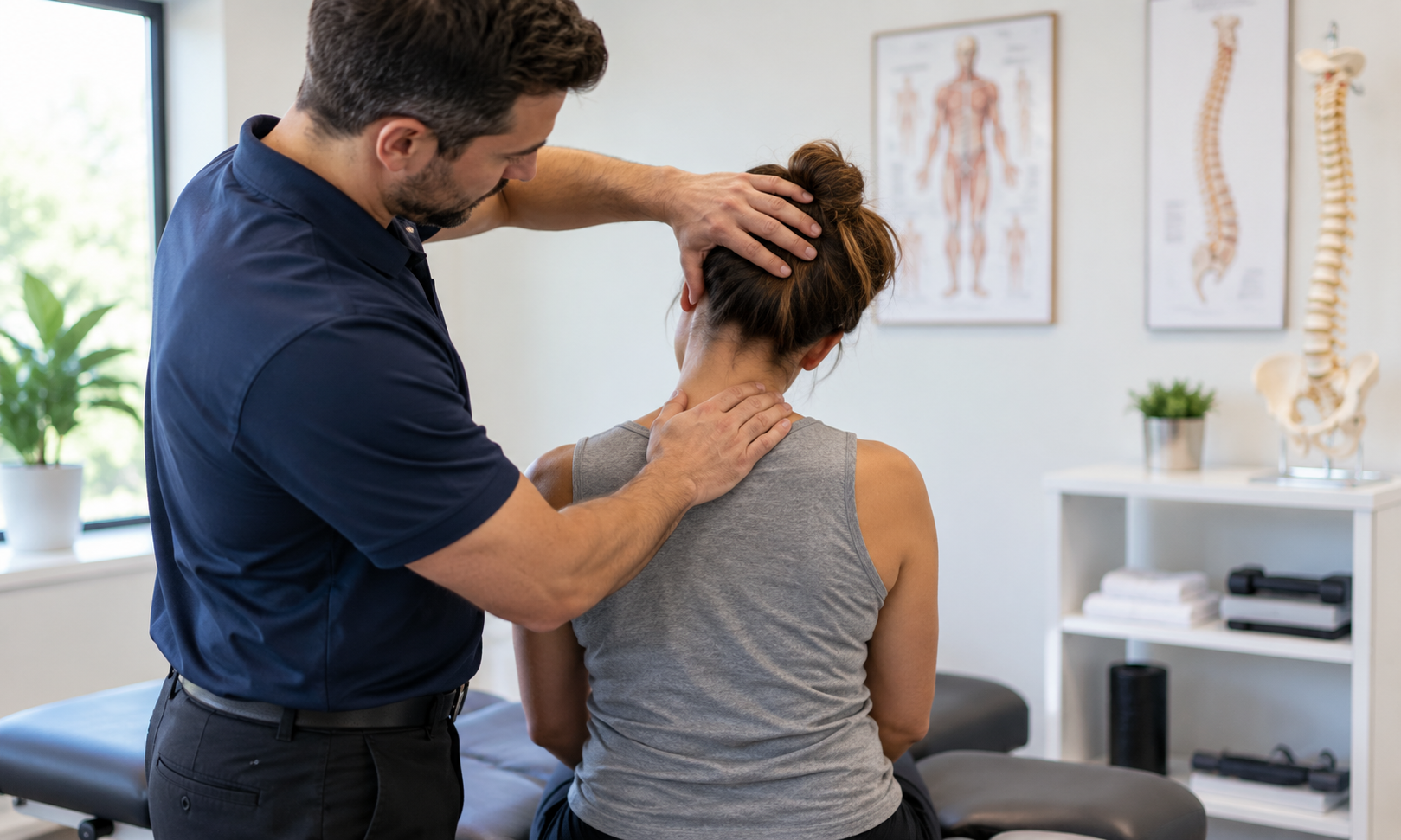
After an Auto or Work Injury, Everyday Movements Can Feel Different
Sometimes the biggest changes appear in ordinary moments.
Turning your head while driving.
Sitting at your desk.
Standing through a workday.
Bending or lifting.
Sleeping comfortably.
Getting through your normal activities.
Those changes can tell us a lot about what you are experiencing.
After an Auto Injury
Neck discomfort and stiffness can develop after a vehicle accident.
A 2024 systematic review and meta-analysis of 11 randomized trials examined guided neck-specific exercise after whiplash injuries. The researchers found greater short-term improvements in neck discomfort and disability with guided exercise compared with other or unguided exercise approaches.
That supports the value of individualized, guided movement as part of recovery for appropriate patients.
Work Can Affect the Body Too
Work-related physical demands can influence the neck, back, shoulders, and other areas.
CDC’s National Institute for Occupational Safety and Health studies workplace ergonomics and work-related musculoskeletal conditions and notes that the goal of ergonomics is to help prevent work-related injury and discomfort.
Tell Us What Changed
We want to know what happened and what your body needs to do again.
Driving?
Working comfortably?
Lifting?
Exercising?
Taking care of your family?
Those everyday goals can help guide your plan.
Sources & Studies
PubMed: 2024 Guided Neck Exercise After Whiplash, Systematic Review and Meta-Analysis
CDC/NIOSH: Ergonomics and Work-Related Musculoskeletal Disorders